
The Importance of Speech Bubbles and Sound Effects in Storytelling
The Role of Speech Bubbles in Dialogue Clarity
The shape and size of speech bubbles contribute to distinguishing characters and guiding the reading flow on the panel. A bubble that is too small will make the dialogue difficult to read, while a disproportionate bubble will disrupt the visual balance of the panel.
The density of speech bubbles directly influences the narrative rhythm. Dense dialogue slows down reading and creates a contemplative atmosphere, while a rapid exchange with short bubbles accelerates the action.
Onomatopoeia: More Than Just Sound, a Visual Element
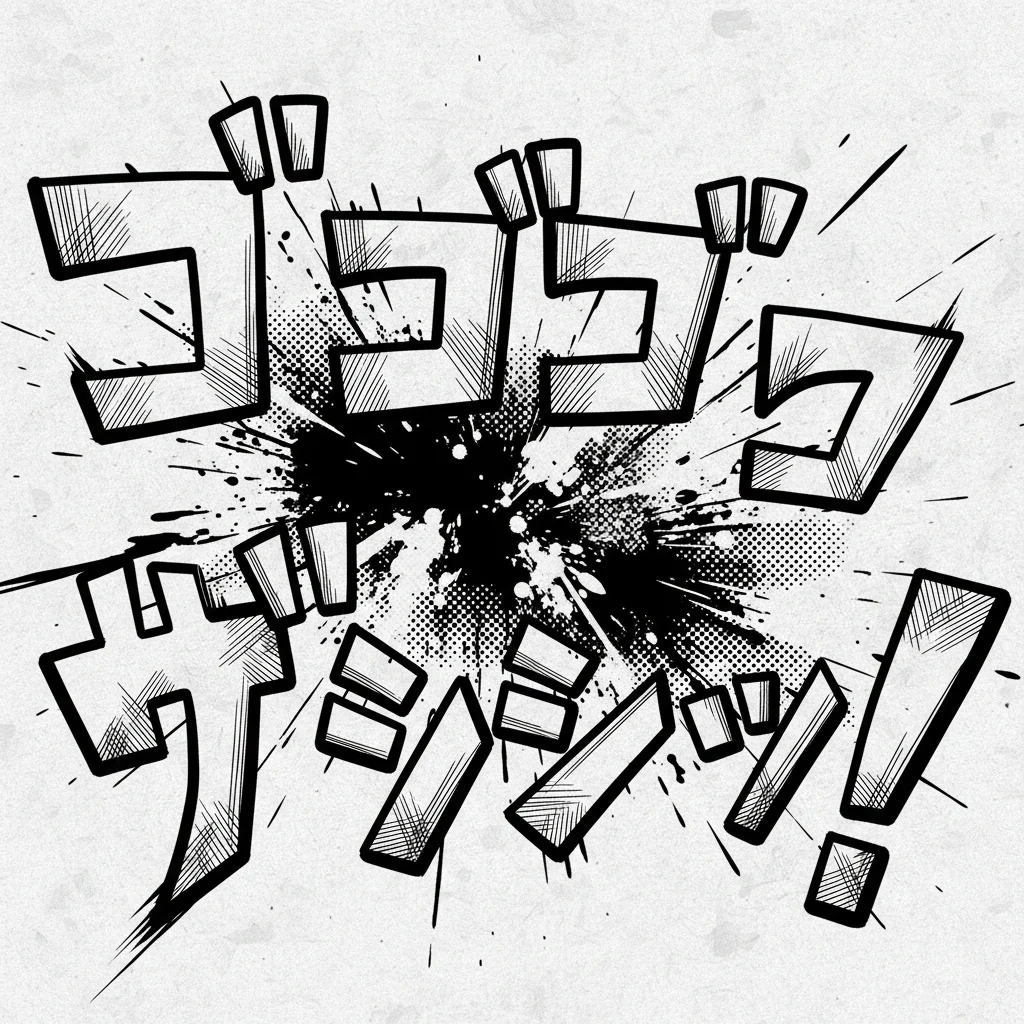
The typographic style of onomatopoeia reinforces its meaning and integration into the panel's composition. An explosion onomatopoeia requires a bold font and visual effects, while a whisper calls for more discreet typography.
The balance between onomatopoeia and dialogue is essential for fluid reading. Too much onomatopoeia can drown out the dialogue, while its absence can make an action scene feel bland.
Impact on Reader Immersion and Emotion
Careful typography enhances the atmosphere of a scene and allows for the expression of subtle emotions. The font chosen for an angry character differs from that of a melancholic character, thus creating a unique typographic signature for each character.
Improve Your Dialogues
Structure your dialogue bubbles for maximum clarity and impact on your readers.
Discover the TechniquesDefining Typographic Hierarchy
- Bubble Typography
- Set of aesthetic and functional choices concerning fonts, their size, spacing, and layout within speech bubbles. The goal is to ensure maximum readability while reflecting the character's personality or the scene's tone.
- Onomatopoeia Typography
- Use of specific fonts, varied styles (bold, italic, uppercase), and dynamic layouts to represent sounds. Onomatopoeia typography should capture attention and convey the intensity or nature of the evoked noise.
- Readability
- The ability of text to be easily read and understood. For bubbles and onomatopoeias, this implies good contrast with the background, an appropriate font size, and a clear structure that does not fatigue the reader's eye.
- Visual Hierarchy
- Organization of graphic elements (bubbles, onomatopoeias, text) according to their narrative importance. Good hierarchy guides the reader's eye through the panel, highlighting key information without creating confusion.
- Reading Rhythm
- The way the reader moves through the panel, influenced by the size, shape, and placement of bubbles and onomatopoeias, as well as text density. A good rhythm maintains attention without creating narrative breaks.
- Emotional Impact
- The ability of typographical elements to evoke an emotional response in the reader, whether through the urgency of an explosive onomatopoeia or the subtlety of a whispered dialogue. Creating manga with AI allows for easier exploration of these nuances.
Energize Your Sound Effects
Learn how to integrate sound effects to enhance the action and emotion of your pages.
Explore StylesTechniques to Optimize Readability and Impact
Structuring Dialogues: The Art of Spacing
It is essential not to overload panels with too many speech bubbles. Alternating between dialogue and moments of visual silence allows the reader to breathe and absorb information. This narrative breathing room is crucial for maintaining reader engagement.
Think about how bubbles flow together to create a natural rhythm, without ever obscuring important graphic elements of the drawing. The golden rule: each bubble must have its logical place in the visual economy of the panel.
Bringing Onomatopoeia to Life
Onomatopoeia are not mere additions; they are an integral part of the action. Experiment with different fonts and sizes to represent the force of a blow, the subtlety of a whisper, or the chaos of a battle.
Their placement should be intuitive, guiding the eye towards the action they describe. A well-placed onomatopoeia can transform a static scene into a dynamic and captivating moment.
Typographical Consistency Throughout the Series
Maintaining consistency in the style of speech bubbles and onomatopoeia throughout your series is fundamental. This helps build a strong visual identity for your work and reinforces the credibility of your narrative universe.
Define your fonts and rules from the outset to avoid inconsistencies that could distract the reader. Create a typographical guide that you can refer to throughout the creation of your series.
The Help of Modern Tools
To help you manage these technical aspects, artificial intelligence can be of great assistance. It allows for optimizing the layout of your speech bubbles, testing different fonts, and ensuring visual consistency.
These tools thus leave you more time to focus on the creativity of your story. Creating manga with AI becomes more accessible and allows for exploring innovative typographical possibilities without sacrificing narrative quality.
Structure Your Series Project
Use innovative tools to optimize the layout and consistency of your manga series.
Try NowConclusion
Mastering the typography of speech bubbles and sound effects is a key skill for any manga creator. By paying close attention to visual hierarchy, readability, and emotional impact, you enrich your readers' experience and enhance the quality of your work. Feel free to explore the possibilities offered by digital tools and artificial intelligence to perfect your layout and give your dialogues and sounds their full narrative power. Mastered typography transforms your pages into truly immersive experiences.