
The psychology of sets: how the environment shapes the narrative
The Subtle Influence of Backgrounds on Emotion
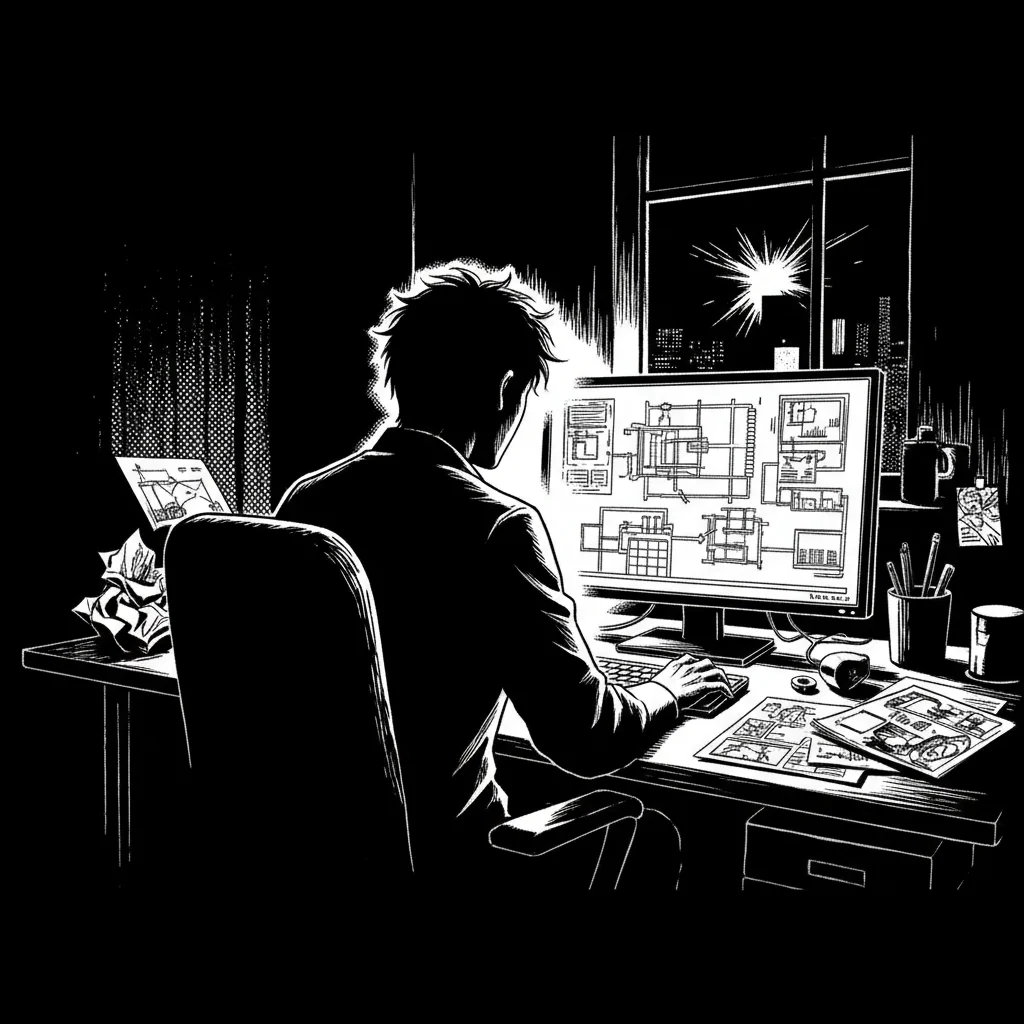
Settings are not mere backdrops; they are silent actors influencing the reader's perception. A dark, cluttered environment can suggest oppression or chaos, while a clean, bright space can evoke serenity or solitude. These visual choices, even unconscious ones, actively contribute to the overall atmosphere of the scene and the emotional state of the characters.
Visual Consistency and World Credibility
A consistent world is one in which the reader can invest. The details of the settings, whether it's architecture, vegetation, everyday objects, or even the technology present, must adhere to an internal logic. This consistency strengthens the credibility of the created universe and allows the reader to project themselves into it more easily. The absence of details or glaring inconsistencies can break this immersion and pull the reader out of the narrative.
Setting as a Revealer of Character and Story
The environment in which a character evolves says a lot about them. Their living space, their workplace, the objects they own or interact with are all clues about their personality, social status, aspirations, or past. A well-maintained and personalized setting can thus serve as a mirror to the character, enriching their characterization without requiring lengthy explanatory dialogues. Creating manga with thoughtful settings radically transforms the reading experience.
Your universe takes shape
Discover how carefully crafted sets transform an idea into a tangible world for your readers.
Explore techniquesThe foundations of an immersive set: key definitions
To create manga with effective backgrounds, master these fundamental concepts:
- Background
- The set of visual elements located behind the main characters and immediate action. It contributes to the atmosphere, storytelling, and world-building.
- Visual Consistency
- The harmony and internal logic of the graphic elements of a manga, including backgrounds, characters, and objects, to create a credible and immersive universe.
- Atmosphere
- The general mood of a scene or narrative, created by a combination of visual elements including backgrounds, which convey specific emotions.
- Visual Storytelling
- The art of telling a story primarily through images, where backgrounds play a significant role in conveying information and emotions.
- Depth of Field
- The perception of space in an image, where foreground, middle ground, and background elements are clearly defined, contributing to immersion and realism.
- Environmental Staging
- The art of composing backgrounds to support the action and reveal narrative stakes without relying solely on text.
Consistency and immersion guaranteed
Learn to master the details that make your manga universe credible and captivating.
Improve your setsTechniques to enrich your sets and strengthen immersion
The Importance of Details That Tell a Story
It's not about overloading every panel, but about incorporating elements that add narrative value. A simple misplaced object, a torn poster, a crack in a wall can suggest a story, a past event, or a state of mind. These subtle details, when judiciously chosen, enrich the depth of your universe and invite the reader to explore further.
Using Perspective and Depth of Field
Playing with perspective and depth of field allows you to give volume to your panels and guide the reader's eye. Well-mastered vanishing lines can emphasize a sense of grandeur or smallness, while a blurred background can focus attention on the main action. These visual techniques are essential for creating impactful visual storytelling and crafting a memorable manga.
Adapting the Setting to the Action and Emotion
The setting should not be static; it should evolve with the narrative. An environment can transform to reflect the chaos of a battle, the tension of a confrontation, or the melancholy of an introspective scene. Consider how the elements of the setting can interact with the characters and the plot to amplify the emotional impact of each panel.
Inspiration for Creating Unique Settings
To create memorable settings, draw from both the real and the imaginary. Observe the world around you, seek architectural, natural, or cultural references. Don't hesitate to experiment and mix styles to forge a distinctive visual universe. This creative approach allows you to create manga with a strong and recognizable visual identity.
Ready to structure your project
Use innovative tools to bring your pages to life and build your series.
Discover Bulle.aiConclusion
Ultimately, manga sets are far from mere ornaments. They are vectors of emotion, guarantors of your universe's credibility, and revealers of your characters. By paying close attention to these details, you significantly enhance the reading experience and strengthen your readers' immersion. Creating manga with carefully crafted sets takes time and thought, but the result radically transforms the quality of your work.