
A manga style is first and foremost about an audience
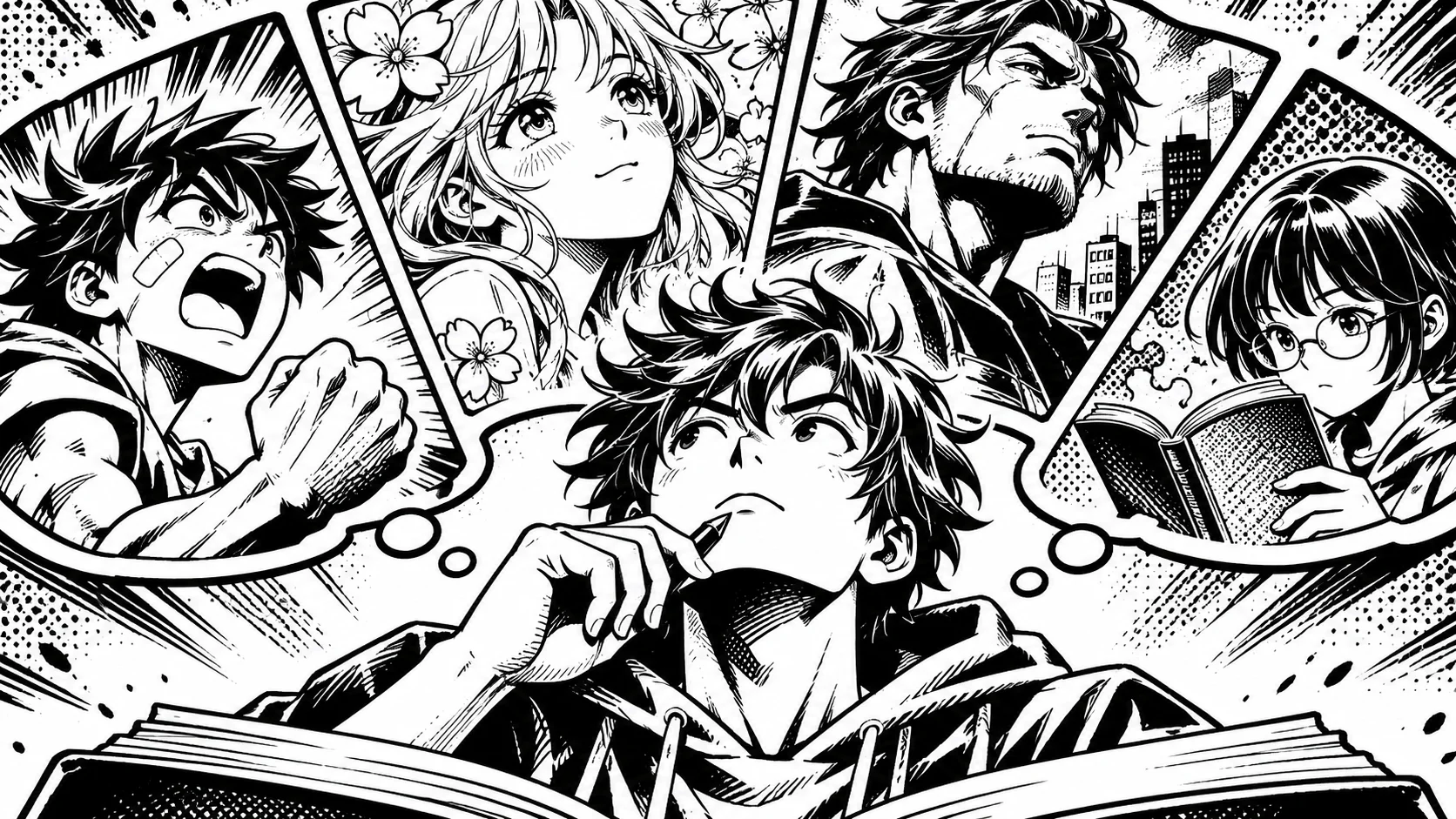
Manga is classified according to the age and gender of the target reader of the magazine that publishes it. Shonen is aimed at teenage boys, shojo at teenage girls, seinen at adult men, and josei at adult women. There is also kodomo, for children.
The same theme can appear everywhere: sports, romance, adventure. What changes is the way it is drawn. A shonen publisher asks for readable energy at a glance, while a shojo publisher asks for emotion in the eyes.
Shonen: action above all
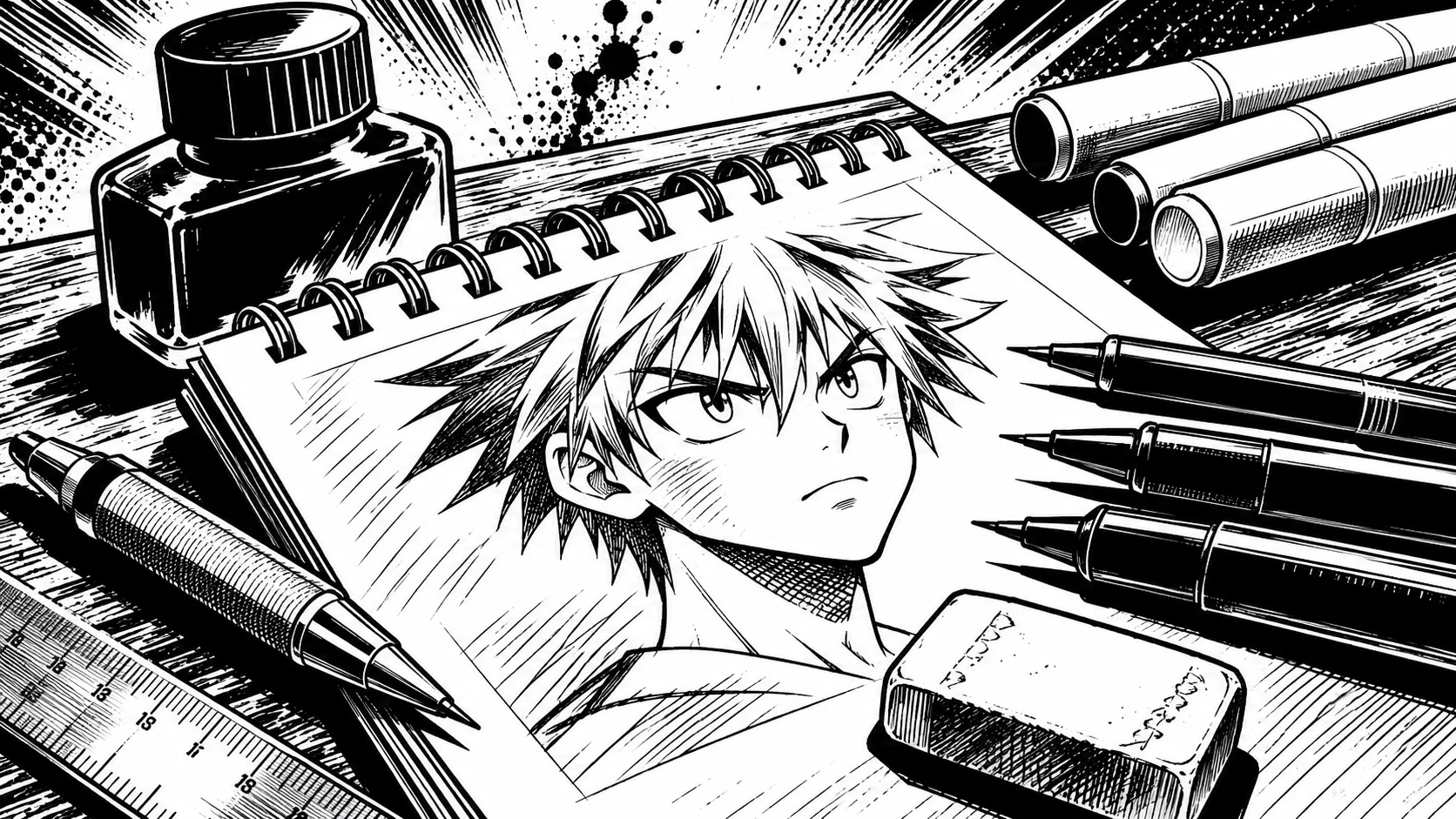
The shonen line art prioritizes movement. The outlines are quite thick, the poses are tense, and the panels are cut diagonally to convey speed. The eyes remain medium-sized, as the face is primarily used to show determination.
- Frequent speed lines and impact backgrounds.
- Athletic bodies, defined jaws.
- Simple screentones, strong contrasts between black and white.
If you are a beginner, this style is the most forgiving: a good pose and a bold stroke make up for many detail flaws.
Shojo and josei: emotion and detail
Shojo places the gaze at the center. The eyes are large, filled with reflections, often surrounded by thick eyelashes. The backgrounds give way to decorative patterns, flowers, or sparkles, which convey what the character feels rather than what is around them.
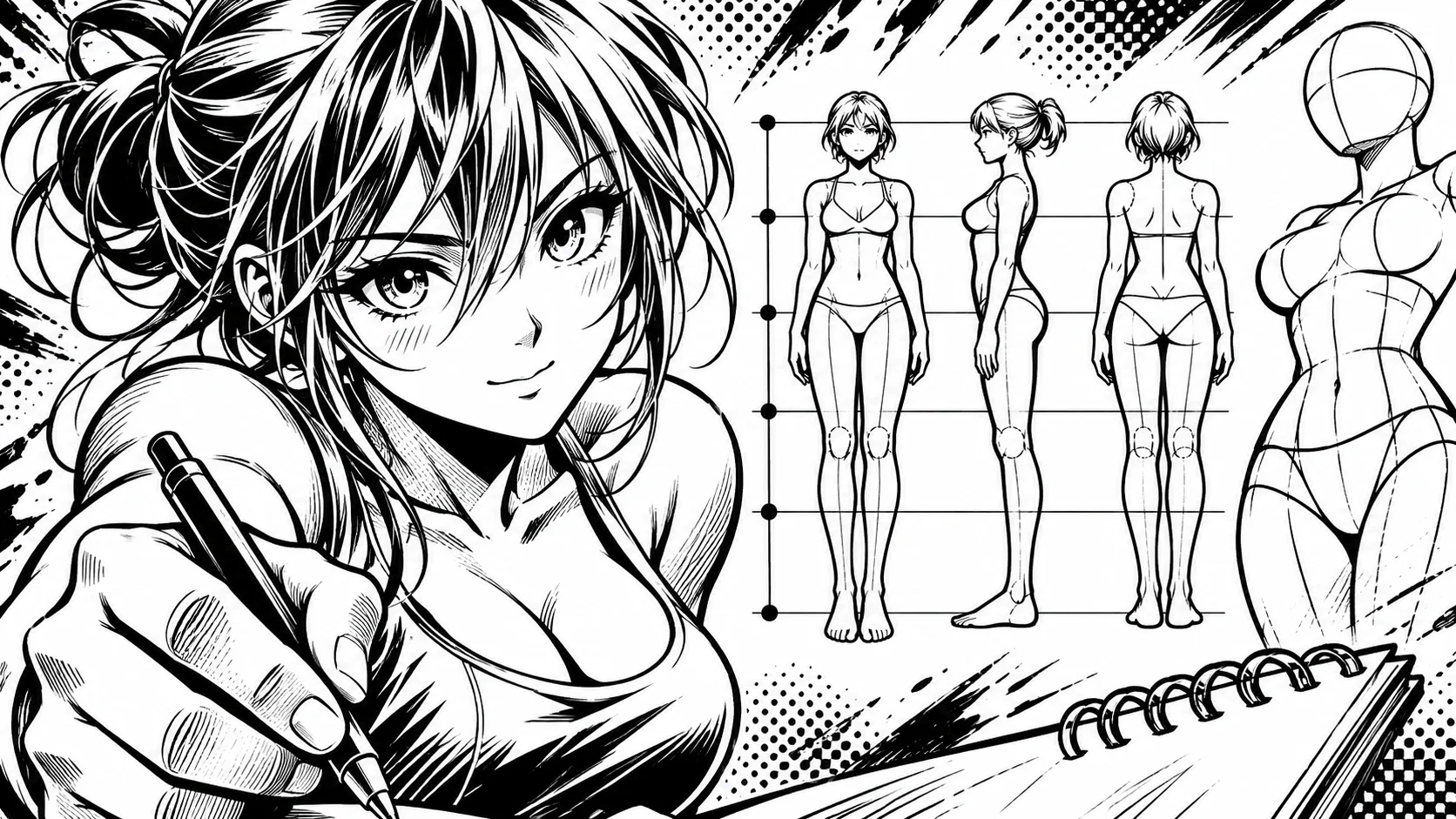
Josei retains this attention to emotion, but with a finer line and proportions closer to reality. Faces are more sober, clothing more detailed, and scenes more everyday.
To work on the gaze, you can check out our article on manga eyes in 5 simple shapes.
Seinen: realism and texture
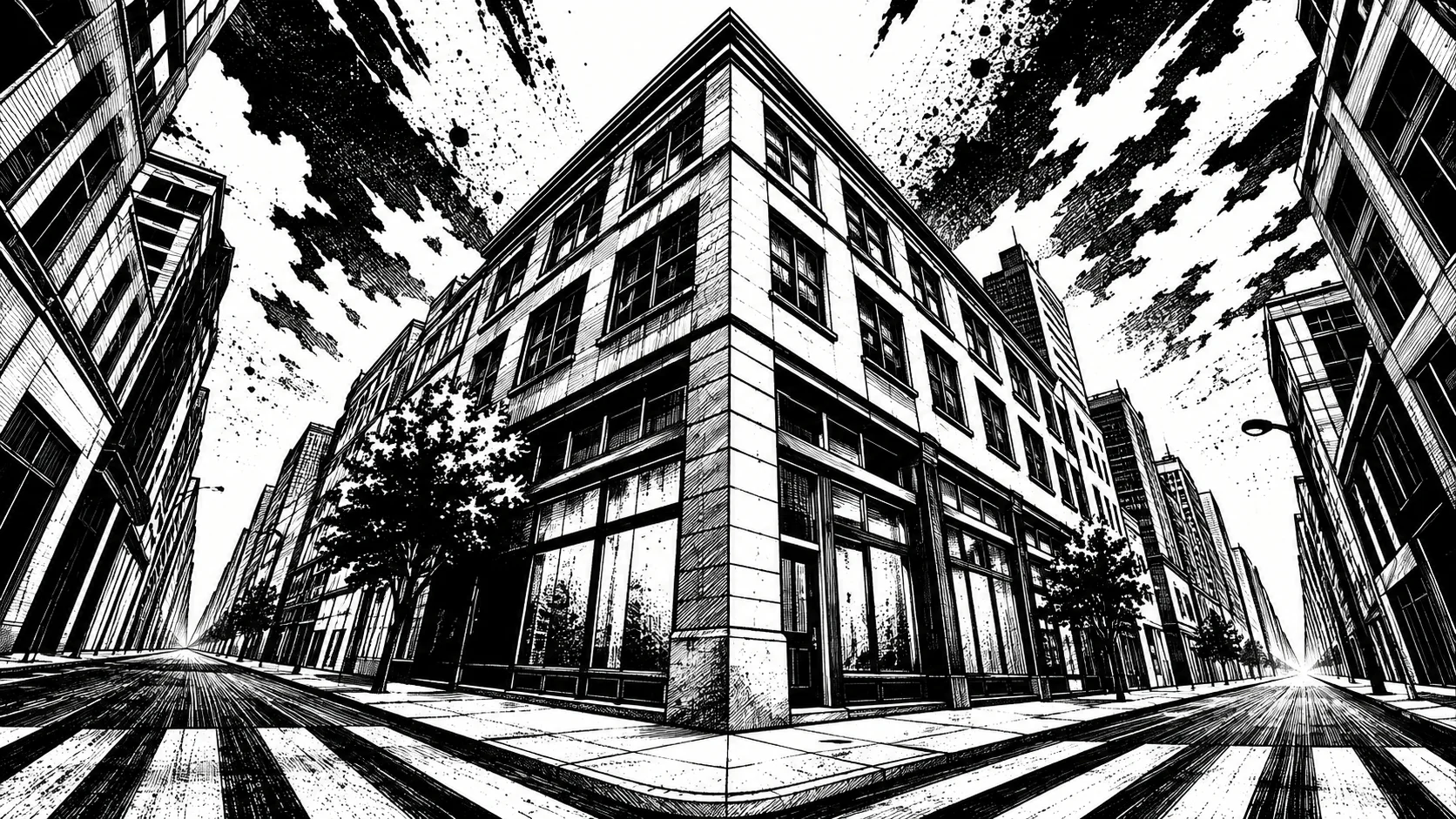
Seinen targets an adult audience. The line work is more detailed, proportions more realistic, and backgrounds more elaborate. Shadows are often constructed with hatching or dense screentones, to give weight to the scenes.
This is the style that takes the most time per page, because every background element truly exists. The question of screentone density becomes central here: our guide on manga screentones and moiré helps you avoid common mistakes.
How to choose your manga style
Three questions are enough to decide.
- Who is meant to read your story? The audience already gives you the family.
- How much time can you spend per page? A detailed seinen line costs much more time than a simple shonen line.
- What style are you capable of maintaining over fifty pages? Consistency matters more than virtuosity.
To start on a solid foundation, the guide easy manga drawing classifies subjects by difficulty, and the page how to draw a full manga character sets the basic proportions.
Testing a style without knowing how to draw
Hesitating between two styles is costly if you have to draw pages to compare. A faster solution consists in generating the same character in multiple styles and seeing which one suits you.
This is possible on Bulle.ai, which offers over 20 artistic styles, from traditional Japanese manga to Franco-Belgian comics and American comics. Registration is free and generation is paid in credits, with no subscription. You can also see what other creators have published on the Bulle.ai presentation page before getting started.
Conclusion
Manga style is not a decoration to apply: it is a set of choices related to the audience, available time, and your own hand. Choose the family that matches your reader, stick to a stroke you can reproduce page after page, and evolve the rest through practice.