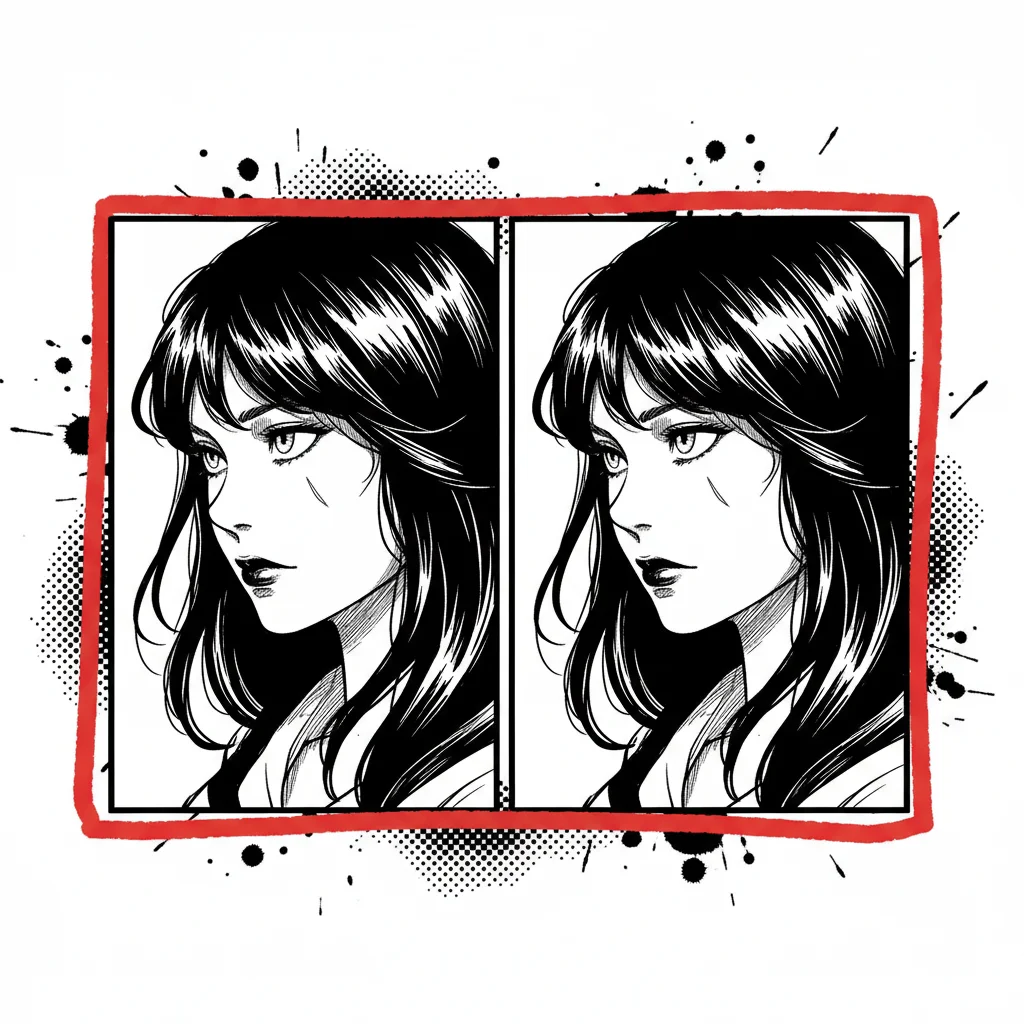

The Foundations of a Stable Visual Identity
The Importance of a Detailed Character Sheet
Defining consistent physical traits (height, build, face shape, eye color, etc.) is the first step. Establish a signature color palette for clothing and accessories, and note any scars, tattoos, or permanent distinguishing marks. These elements form the basis of recognition.
The Role of Graphic Style in Consistency
A uniform artistic style strengthens character recognition. Variations in line work and inking, if not mastered, can alter the perception of a character's identity. Work to maintain a clear and consistent line.
Anticipating Natural Character Evolution
It is essential to differentiate between intentional changes (aging, transformation) and simple drawing errors. Plan key moments where an appearance modification is justified by the plot to avoid narrative breaks.
Structure your characters
Define a comprehensive character sheet to ensure a strong and consistent visual identity throughout your series.
Learn more about character creationCommon Pitfalls and Their Solutions
Why does my character look different from one chapter to another?
This can be due to variations in the drawing, a lack of clear visual reference, or an unplanned evolution of the graphic style. It is crucial to always refer to a character sheet or reference boards to maintain consistency.
How to handle changes in a character's age or maturity?
These changes should be gradual and intentional. Use subtle visual cues like more pronounced lines, a different posture, or changes in wardrobe to mark the passage of time without visual disruption.
Does my character need a new haircut?
Only if it serves the plot or character development. A drastic haircut should be introduced logically into the narrative, not as a simple graphic variation that could confuse the reader.
What to do if my drawing style evolves during creation?
It is recommended to stabilize your style before starting a series, or to make targeted adjustments so that the main characters remain recognizable despite the evolution of the line work over the pages.
How to prevent accessories from changing shape or color?
Clearly define the design of recurring accessories and keep reference images at hand. Consistency in details enhances the credibility of your universe and your characters.
Avoid graphic inconsistencies
Use visual references and tracking tools to ensure your characters remain recognizable chapter after chapter.
Discover best practicesTools and Methods for Impeccable Consistency
To ensure a consistent appearance for your characters, adopt rigorous work methods and use the right tools. This is fundamental when you want to create your manga.
| Signal / Criterion | Action / Detail |
| Incomplete character sheet | Create a comprehensive sheet with sketches, descriptions, and color references for each protagonist. |
| Lack of visual references | Compile a reference folder with key panels for each character, to be consulted regularly. |
| Unstable drawing | Fix your graphic style before starting a series or harmonize variations to maintain recognition. |
| Forgetting recurring details | Use project management tools or notes to track distinctive elements (scars, jewelry, etc.). |
| Unjustified evolution | Document any major appearance changes and ensure they are logically integrated into the script. |
Take it to the next level
When your series project is well-defined, explore tools that can help you bring it to fruition seriously.
Explore publishing toolsConclusion
Maintaining the visual consistency of your characters is a cornerstone for building a credible and captivating manga universe. By implementing detailed character sheets, stabilizing your graphic style, and using tracking tools, you can avoid common pitfalls. To delve deeper into structuring your projects and managing your series, innovative solutions exist. Don't hesitate to explore the tools that will help you move from idea to publication.