
The Fundamentals of Speech Bubbles and Sound Effects
The Essence of the Speech Bubble
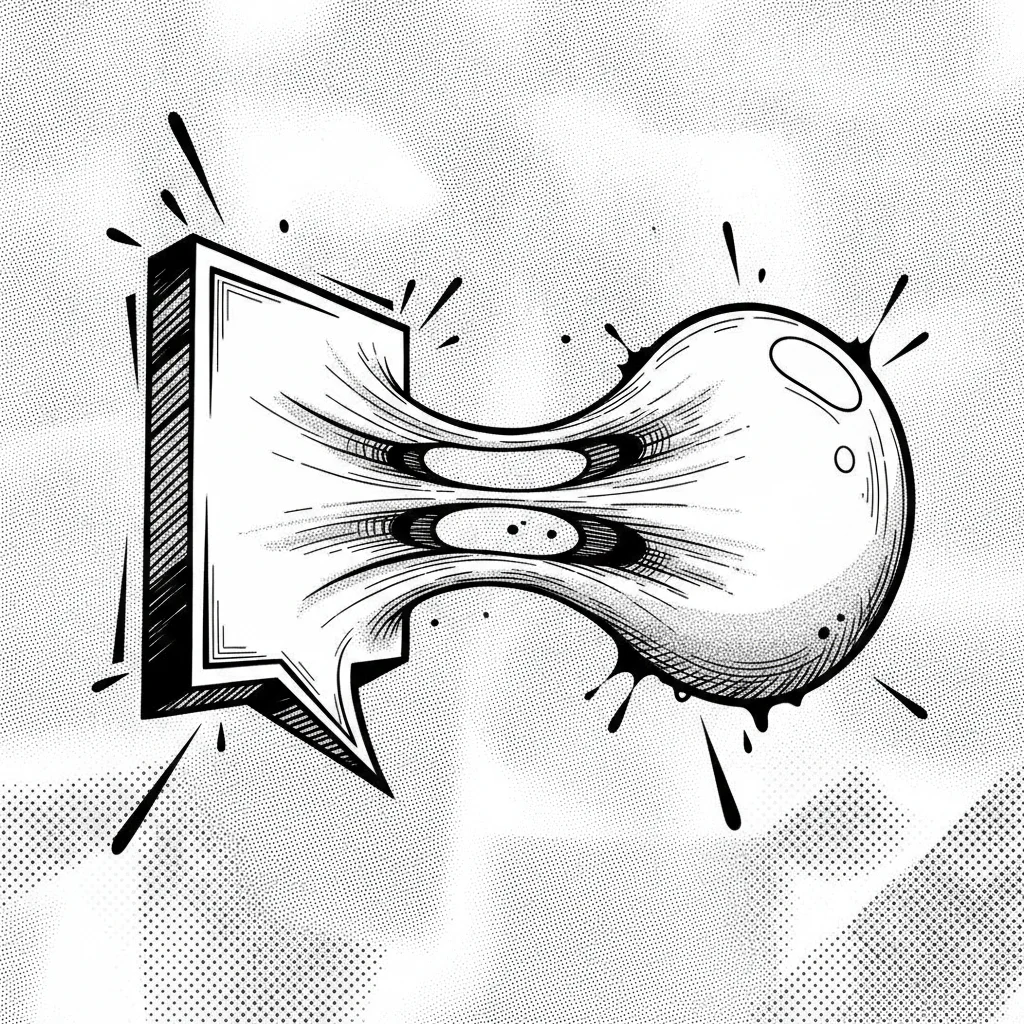
The speech bubble is the primary vehicle for your characters' dialogue. Its shape, size, and placement directly influence the perception of tone and emotion. A bubble with soft contours can suggest tenderness, while an angular shape can express anger or tension. The choice of font is also paramount; it must be legible and consistent with the overall graphic style of your manga.
The Function of Onomatopoeia in Manga
Onomatopoeia are not mere sounds; they are a powerful visual and narrative element. They add dynamism and immersion to your panels. When well-integrated, they enhance the action and atmosphere. Their graphic style should dialogue with the drawing, whether it's for subtle sounds or visual explosions.
The Impact of Graphic Style on Bubble Shape
The overall graphic style of your manga often dictates how bubbles should be drawn. A realistic style will call for more conventional bubbles, while a cartoon style will allow for more fantasy. Harmony between the drawing and textual elements is key to a coherent and impactful work.
Optimize Your Bubbles for the Web
Discover how our AI tools can help you design perfect dialogue bubbles for the digital format, ensuring maximum readability on all devices.
Explore Bulle.aiAdapting Your Technique for Digital
The transition from paper to digital requires rethinking how we design the textual elements of our panels. Here are the key steps to optimize your speech bubbles and sound effects for on-screen reading:
- Understand on-screen readability: Screens, whether on smartphones, tablets, or computers, have varying resolutions and sizes. It is therefore essential to ensure a sufficient font size and high contrast between the text and the background for comfortable reading.
- Adapt text density: Speech bubbles that are too text-heavy can become illegible on small screens. Favor short, impactful sentences, and don't hesitate to split a long dialogue into several smaller bubbles.
- Manage white space and visual rhythm: On the web, white space is an ally. It helps guide the reader's eye and creates a pleasant reading rhythm. Bubbles should be positioned so as not to overload the panel and to allow the image to breathe.
- Consider navigation and scrolling: In a digital format, the reader often scrolls the page. The layout of the bubbles should anticipate this movement so that the dialogue logically follows the action and is not read out of order.
- Utilize the specificities of the digital format: Some digital tools allow for effects or animations for speech bubbles and sound effects. Explore these possibilities to enrich your narrative, while ensuring they serve the story and do not detract from it.
- Test on different devices: The only way to ensure your work is optimal is to test it on a variety of devices and screen sizes to identify potential readability or layout issues.
Design Impactful Sound Effects
Enhance the visual impact of your sound effects with intelligent suggestions that integrate seamlessly with your graphic style.
Test Our FeaturesSpecific Challenges of the Print Format
The Tactile and Visual Experience of Paper
Despite the rise of digital media, print manga retains its unique characteristics and demands. Creating speech bubbles and onomatopoeia for this medium requires particular attention to the details that enrich the tactile and visual experience. The paper format offers a unique reading experience, where the materiality of the page plays a role. The size of the speech bubbles, their precise placement, and the choice of fonts are crucial elements that must be considered in harmony with the artwork and the overall composition of the panel.
Printing Constraints and Readability
A poorly proportioned or misplaced speech bubble can not only hinder reading but also alter the reader's perception of the work. Ink and paper management also impose constraints. Bubbles that are too thin may disappear during printing, while overly complex fonts can become blurry. It is essential to choose typographic styles that render well in print and to ensure sufficient contrast with the background for optimal readability, even in shaded areas or screentones.
Your Manga Project, Seriously
Ready to take the next step? Our solutions will guide you in structuring and producing your manga series.
Learn More About Bulle.aiConclusion
Whether you choose print or digital, adapting your speech bubbles and sound effects is a key step for successful manga storytelling. By understanding the specifics of each format, you can optimize your readers' experience and enhance the impact of your work. Remember that clarity and reading flow are paramount. Explore the tools available to perfect your art and bring your stories to life in the best possible way. To help you in this endeavor, innovative solutions exist.