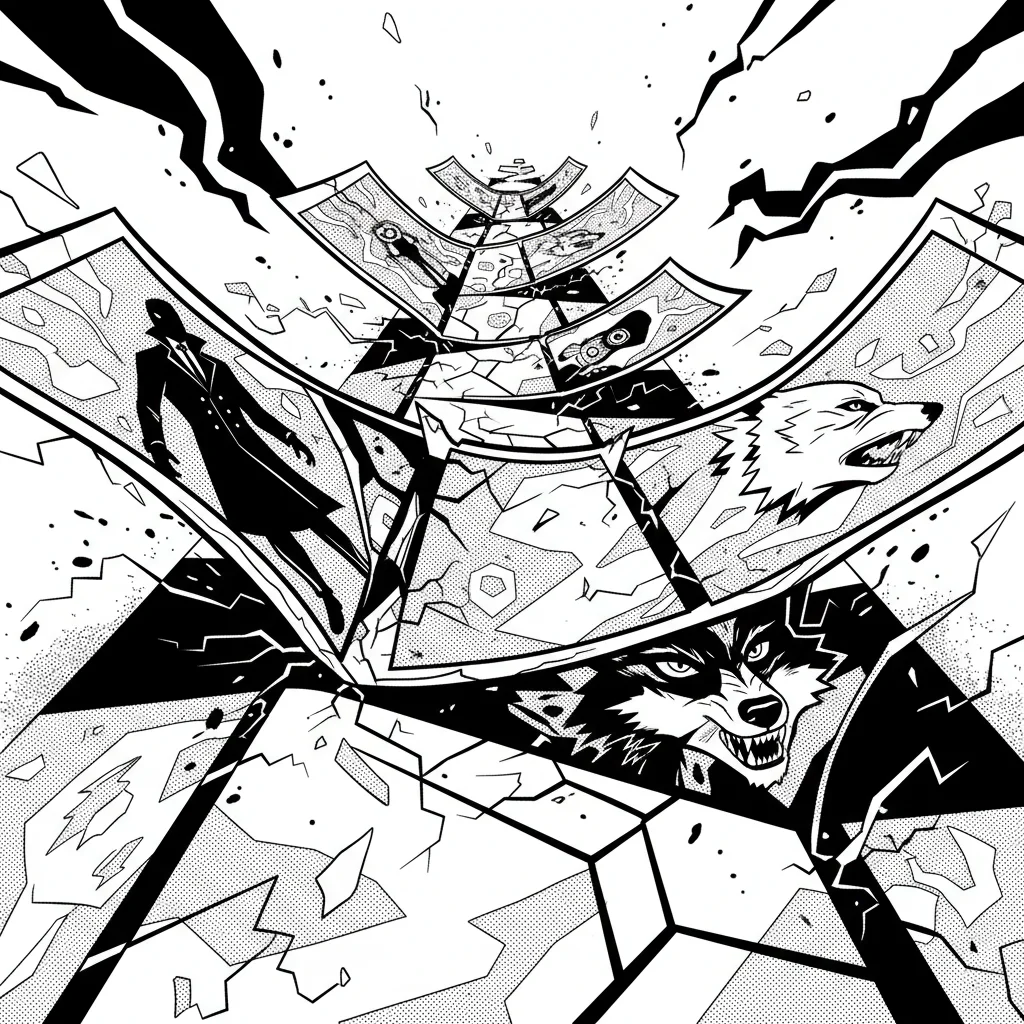

The Art of Integrating Flashbacks
When and Why to Use a Flashback
Flashbacks are not mere digressions; they serve to illuminate the present, explain motivations, or introduce crucial plot elements. They must bring direct added value to the understanding of the character or the current situation. Consider their usefulness for your story's development.
The Different Forms of Flashbacks
From a fleeting memory to a detailed sequence, explore the multiple ways to integrate these backward glances. Consider the duration, the level of detail, and the perspective: the character's point of view or an external narration. Each choice impacts how the reader perceives the past.
Avoiding Flashback Pitfalls
Be careful not to overload your narrative or reveal information too early. A poorly placed flashback can break immersion and weigh down the message. The goal is to strengthen, not dilute, the reading experience.
Structure Your Narrative
Learn how to organize your ideas and build a solid narrative for your manga.
Discover the ToolsMastering Revelations for Maximum Impact
The Art of Gradual Revelation
Revelations don't all need to be concentrated in one place. Judiciously distributed, they maintain the reader's interest and create moments of surprise and understanding. This progressive approach is key to a captivating narrative.
Types of Revelations and Their Function
Discover how revelations can concern a character's identity, a secret from the past, a hidden ability, or a key element of the universe. Each type of revelation has a different impact on the storytelling and the reader's perception.
The Importance of Revelation Timing
The moment information is revealed is as crucial as the information itself. Premature revelation can ruin suspense, while late revelation can feel forced. Find the right balance to maximize dramatic effect and reader engagement.
Bring Your Characters to Life
Use flashbacks and revelations to deepen their psychology and history.
Explore TechniquesSynchronizing Flashbacks, Revelations, and Narrative Pace
For your narrative to be fluid and impactful, it is essential to align past elements with the present action. Here's how to achieve this:
- Subtle balance between exposition and action: ensure that flashbacks and revelations serve the main plot without slowing it down.
- Dynamic transitions: use smooth passages between the present and the past, cliffhangers after a revelation, or vivid character reactions to re-engage the action.
- Impact on characterization: make sure that the revealed information deepens the understanding of the characters and their motivations.
- Visual and thematic consistency: ensure that past elements integrate harmoniously with the graphic style and overall themes of your work.
- Anticipation and surprise: play with the reader's expectations by revealing information at the most opportune moment to create maximum impact.
- Panel pacing: even in flashback sequences, maintain a visual rhythm that supports the emotion or information being conveyed.
- Immediate reactions: show how the past affects the present through the characters' actions and emotions.
- Use of dialogue: incorporate dialogue that echoes the past or reveals crucial information naturally.
- Consistency of motivations: ensure that revelations clearly explain the characters' current motivations.
- Careful proofreading: reread your work to verify that flashbacks and revelations flow logically and strengthen the overall story.
Conclusion
Mastering the art of flashbacks and revelations is a key skill for any manga author wishing to create rich and captivating stories. By integrating these elements carefully and ensuring their synergy with the pace of your story, you will offer your readers an immersive and memorable experience. To delve deeper into structuring your narratives and managing your projects, discover the tools designed to support you in creating your manga.