
The Foundations of Narrative Pacing: Understanding Rhythm
What is Narrative Pacing?
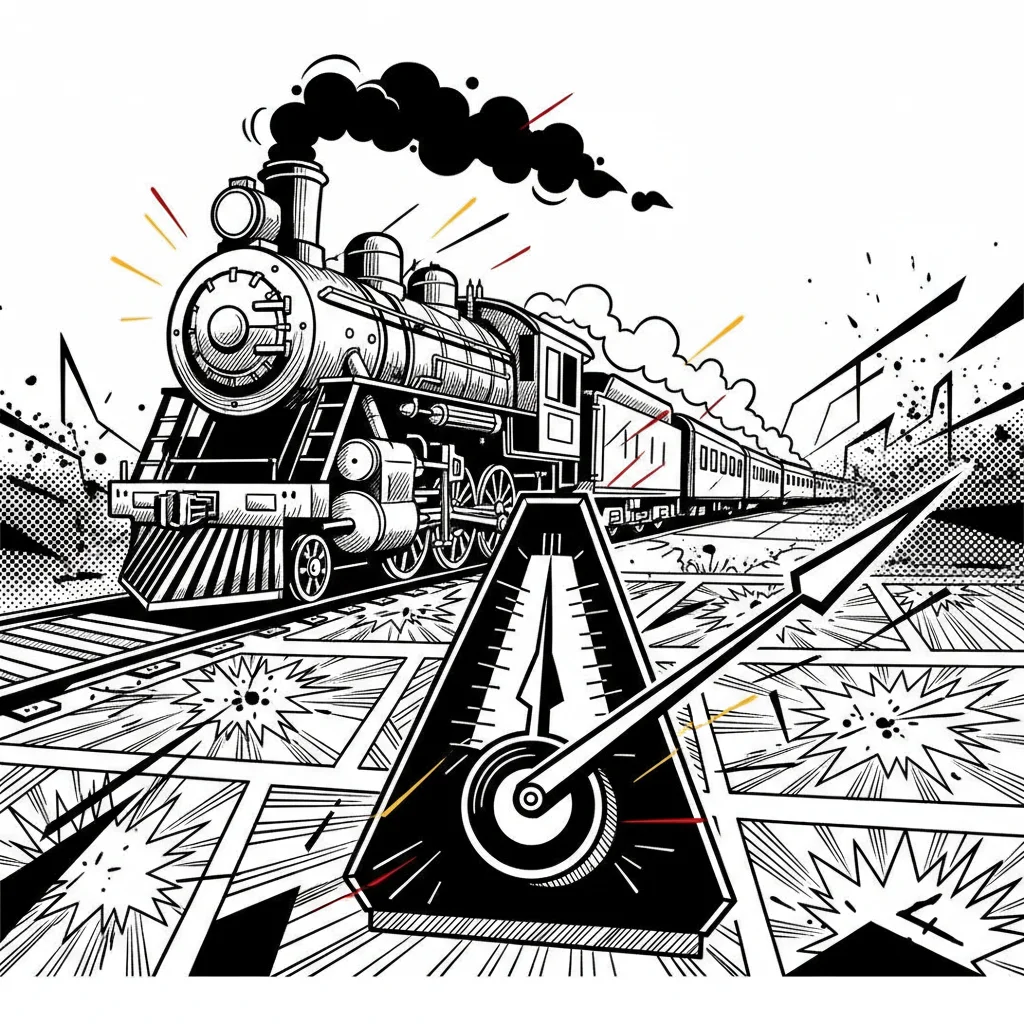
Narrative pacing, or the rhythm of a story, is the art of controlling the speed at which the plot unfolds and information is revealed to the reader. In manga, good pacing is essential for maintaining interest, creating tension, and evoking emotions. It's not just about the speed of events, but also about how scenes are constructed, dialogues are conducted, and moments of calm are utilized.
Signs of Failing Pacing
A story that loses steam manifests itself through several symptoms: excessive slowness that gives the impression the story is stagnating, an accumulation of events without real narrative progression, or a lack of dramatic tension that leaves the reader indifferent. These signs often indicate a problem in managing the story's flow.
The Initial Story Arc: A Trap of Illusions
The beginning of a manga is often the most captivating. This is where the universe, main characters, and central conflict are introduced. However, maintaining this momentum over time is a major challenge. Many authors rely on initial enthusiasm, neglecting the planning of subsequent story arcs, which inevitably leads to a loss of steam.
The Impact on the Reader's Experience
Poor pacing directly harms the reader's experience. It can lead to a loss of engagement, misunderstanding of the plot, or even outright abandonment of the work. Well-mastered pacing, on the other hand, keeps the reader on the edge of their seat, making them emotionally invested in the story.
Structure Your Story
Are you struggling to organize your ideas and maintain a captivating pace? Discover how to structure your narrative arcs for a impactful manga.
Plan My MangaMaintaining Pace: Key Steps for a Dynamic Manga
Step 1 — Define Key Plot Points
Identify the crucial moments that propel your narrative forward. These points include major revelations, climactic conflicts, and necessary resolutions to advance the story.
Step 2 — Structure Subplots
Break down your narrative into shorter arcs, each with its own pacing, rising tension, and resolution. This prevents monotony and keeps readers engaged over time.
Step 3 — Vary Scene Density
Skillfully alternate fast-paced, intense action scenes with calmer, introspective moments. This contrast creates a dynamic flow and avoids reader fatigue.
Step 4 — Use Ellipses Wisely
Know when to skip periods of time to maintain interest and avoid unnecessary length. Well-placed ellipses move the plot forward without slowing the pace.
Step 5 — Manage Rising Action
Plan the progression of tension and stakes. Each arc should culminate satisfactorily while setting the stage for future challenges. Artificial intelligence can help you maintain consistency in this progression throughout your work.
Step 6 — Plan Breathing Room
Incorporate strategic pauses to allow readers to digest information and prepare for upcoming twists. These moments are essential to avoid narrative overload.
Energize Your Pages
Learn to use panel layout, dialogue, and visual rhythm to bring your story to life and keep your readers on the edge of their seats.
Optimize My PacingTools and Techniques for Optimal Pacing
Mastering pacing requires practice and the use of appropriate tools. Here are essential techniques to energize your narrative and keep your readers engaged over time, including integrating AI to create a more coherent manga.
- Panel Layout: Play with the size, shape, and number of panels per page to speed up or slow down the time perceived by the reader. Small, numerous panels can create a sense of urgency, while large panels can slow down the action.
- Dialogue Management: Balance dialogue with moments of silence or visual action. Too many speech bubbles can weigh down the pace, while well-placed silences can intensify emotion.
- Character Progression: Ensure your characters evolve and their actions have consequences. A lack of development or repetitive actions can exhaust the plot.
- Scene Transitions: Pay attention to how you move from one scene to another. Smooth transitions maintain momentum, while abrupt breaks can disrupt the rhythm.
- Introducing New Elements: Introduce new characters, stakes, or plot twists at the right moment to reignite interest without overwhelming the reader.
- Visual Rhythm: Use panel composition, motion lines, and expressions to guide the reader's eye and control reading speed.
- World Consistency: Maintain internal consistency in your world and its rules so the reader isn't distracted by inconsistencies, which can slow down their reading.
- Anticipation and Surprise: Create expectations in the reader and then satisfy or subvert them, thereby generating suspense and maintaining engagement.
Take Action
Ready to turn your ideas into a concrete project? Explore the tools that will help you seriously structure your manga series.
Discover Bulle.aiConclusion
Narrative pacing is a subtle but essential art for the success of your manga. By understanding its mechanisms and applying the right techniques, you can transform a story that loses steam into a captivating work from start to finish. Remember that mastering rhythm is an ongoing process. Experiment, analyze, and adjust to find the perfect cadence that will win over your readers. Using artificial intelligence tools can support you in this endeavor to create a structured and coherent manga.