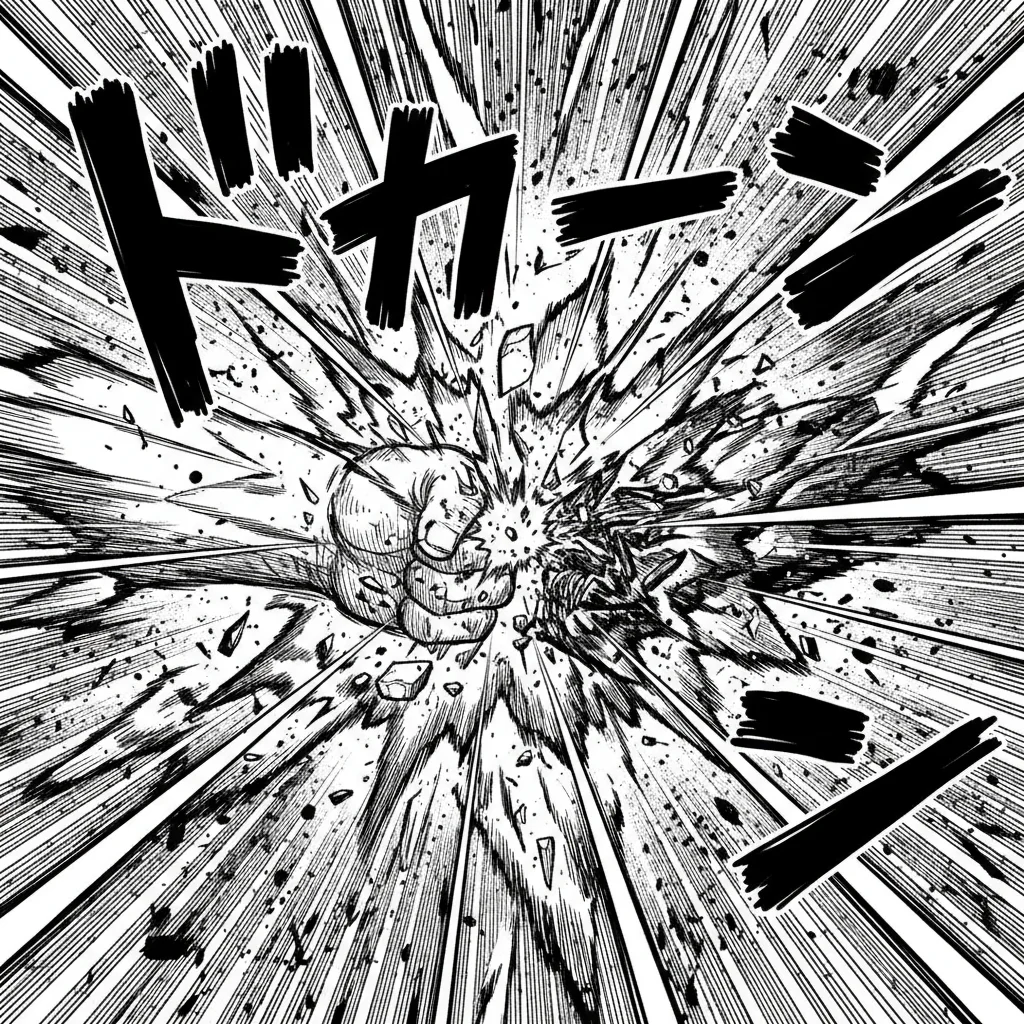

The Evolution of Graphic Style and Character Design
The Influence of Global Trends
The graphic style of manga has always been permeable to external influences. The rise of the internet and the global dissemination of works have accelerated this trend. Artists now draw inspiration from various styles, whether Western or from other Asian cultures, integrating elements to renew traditional manga aesthetics. This openness has allowed for greater visual diversity.
The Pursuit of Readability and Expressiveness
Contemporary manga creation places greater emphasis on clarity of drawing and the effectiveness of emotional expression. Lines are often cleaner, facial expressions more nuanced, to facilitate the understanding of the narrative by an international audience and to strengthen the emotional impact of scenes.
The Impact of New Technologies on Drawing
The advent of graphic tablets and drawing software has revolutionized the working methods of mangakas. These tools offer greater flexibility, facilitate corrections and experimentation, and pave the way for new visual effects. Manga creation thus benefits from increased efficiency and renewed graphic richness.
Structure Your Manga Narrative
Learn how to organize your ideas and build captivating plots for your manga series.
Discover Bulle.aiNarrative and Pacing Transformations
Step 1 — The Complexification of Plots
Manga narratives have gained depth and subtlety. Plots, once more linear, now explore complex narrative structures, multiple arcs, and varied timelines to captivate an increasingly discerning audience.
Step 2 — The Development of Secondary Characters
Secondary characters are no longer mere supporting roles. They benefit from dedicated narrative arcs, in-depth psychologies, and increased importance in the main plot, thereby enriching the universe and the themes addressed.
Step 3 — The Management of Pace and Ellipses
Mangakas now master the art of playing with time. Ellipses are used more strategically, allowing for the condensation of action or the creation of dramatic effects, while the pacing of the panels adapts to the desired emotion.
Step 4 — The Integration of Mature Themes
Manga addresses a broader range of subjects, including complex social, psychological, and philosophical themes, reflecting a growing maturity of the medium and its audience.
Bring Your Characters to Life
Develop memorable supporting characters and complex narrative arcs to enrich your story.
Explore ToolsThe Impact of Publishing and Community
- Digitization and Accessibility
- The advent of digital technology has revolutionized the way manga are distributed and consumed. Online platforms and scans have made works more accessible, while also raising questions about author compensation.
- The Rise of Webtoons and Short-Form Content
- New formats like webtoons have emerged, offering vertical reading and shorter narratives, adapted for mobile devices. This has influenced traditional graphic styles and narrative structures.
- Interaction with Readers
- Social media and forums allow for direct interaction between authors and their readers. This constant feedback can influence the development of series, creating a co-creation dynamic.
- Diversification of Genres and Audiences
- The manga market has expanded considerably, welcoming a diversity of genres and catering to increasingly varied audiences, far beyond initial stereotypes.
Master Your Panel Pacing
Use ellipses and paneling to create dynamic and immersive pacing in your manga.
Optimize Your ProjectConclusion
Manga conventions have undergone a profound transformation, adapting to technological advancements, reader expectations, and the globalization of the medium. These changes offer fertile ground for creative innovation. To navigate this ever-evolving landscape and bring your own manga projects to life, explore how these advancements can help you transform your vision into concrete pages and create a manga adapted to contemporary codes.