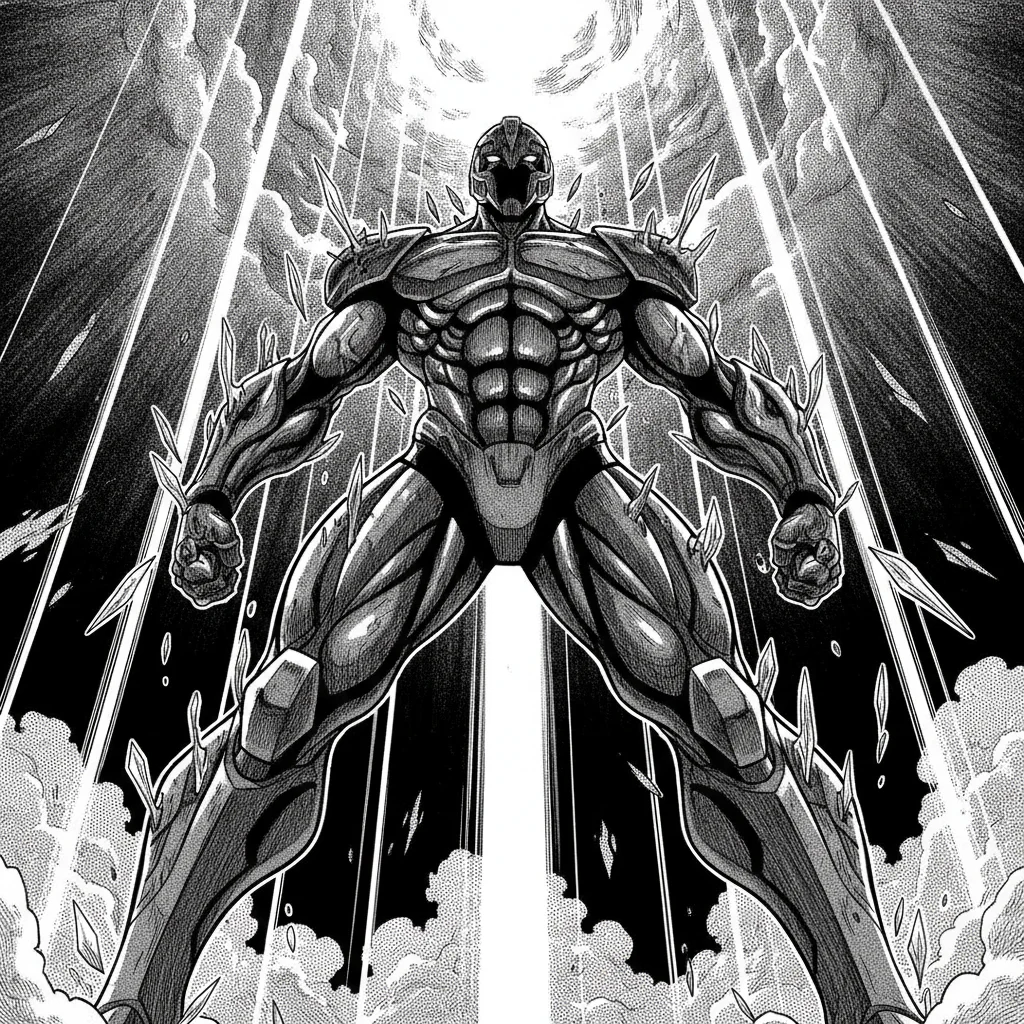

The Foundations of Morphological Consistency
The Importance of a Stable Visual Identity
For a manga character to leave a lasting impression, their appearance must be immediately recognizable. This visual identity relies on distinctive features, a characteristic silhouette, and a consistent color palette. Maintaining this stability is the first step for the reader to follow their journey without confusion.
Key Elements of a Lasting Character Design
A successful design incorporates elements that can evolve without losing their essence. Think about basic shapes, underlying bone structure, and iconic accessories. These foundations allow the character to be adapted to future narrative requirements while retaining their identity.
Identifying Morphological Landmarks
Determine the immutable characteristics of your character: a particular scar, a specific haircut, a distinctive height or build. These landmarks will serve as visual cues for the reader, even when the character undergoes significant transformations. This is an essential aspect of creating your manga.

Solidify Your Design Foundations
Establish a strong visual identity for your characters from the outset. Ensure your foundations are solid to allow for credible evolution.
Explore Design FundamentalsManaging Physical Evolution Over Time
A character's physical evolution is a powerful marker of their journey. Whether through aging, injuries, transformations, or simply subtle changes due to experience, these alterations must be managed carefully to avoid alienating the reader's recognition of the character. This table compares traditional and AI-assisted approaches to maintaining this consistency.
| Evolution Criterion | Traditional Approach (Design Sheet) | AI-Assisted Approach (e.g., Bulle.ai) |
|---|---|---|
| Natural Aging | Manual drawing of wrinkles, posture changes, hair adjustments based on time references. | Generation of visual iterations based on age parameters, analysis of references for realistic changes. |
| Impact of Injuries/Scars | Manual and consistent placement of scars on reference models, tracking changes across arcs. | Procedural application of scars and marks, with adjustment of their visibility based on healing or age. |
| Physical Transformations (Magic, Technology) | Design of alternative forms, maintaining recognizable elements despite metamorphosis. | Rapid exploration of multiple transformed forms, validation of consistency with the character's core identity. |
| Lifestyle-Related Changes | Adjustment of musculature, posture, or general appearance to reflect training, illness, or stress. | Simulation of lifestyle effects on morphology, offering visual variations to represent these changes. |
Manage Evolution with Precision
Discover how AI tools can help you visualize and maintain the consistency of your characters' physical changes over time.
Discover Bulle.aiMaintaining Visual Consistency in Narrative Progression
The Influence of Pacing and Rhythm on Morphological Perception
The panel layout and the overall rhythm of your manga play a subtle yet powerful role in how the reader perceives the physical evolution of your characters. Rapid or poorly placed changes can feel artificial, while careful management of visual tempo allows these evolutions to be integrated organically. It is crucial to synchronize the artwork with the narrative so that each transformation, however minor, is perceived as a natural consequence of the story's progression.
Using Details to Reinforce Morphological Continuity
Beyond major changes, it is often the details that anchor a character's morphological consistency in the reader's mind. The way a scar is drawn, how hair grows or degrades, or even the wear and tear on clothing can serve as constant visual cues. These elements, when managed with care and consistency, strengthen the character's identity and testify to their journey, adding a layer of realism and depth to your story. Think of each line as part of their history.

Refine Your Visual Storytelling
Use details and narrative pacing to reinforce morphological continuity. Every stroke counts for your character's story.
Storytelling TipsConclusion
Morphological consistency and its management over time are pillars for creating memorable and credible manga characters. By establishing solid foundations, planning evolutions, and paying attention to narrative details, you ensure your creations evolve organically with their story. Remember that technology, like Bulle.ai, can be a valuable ally in exploring and validating these changes, allowing you to focus on the creative essence of your characters. Keep drawing, innovating, and growing your heroes to **create your manga**!