
Visual Consistency, the Pillar of Manga
The Importance of Graphic Identity
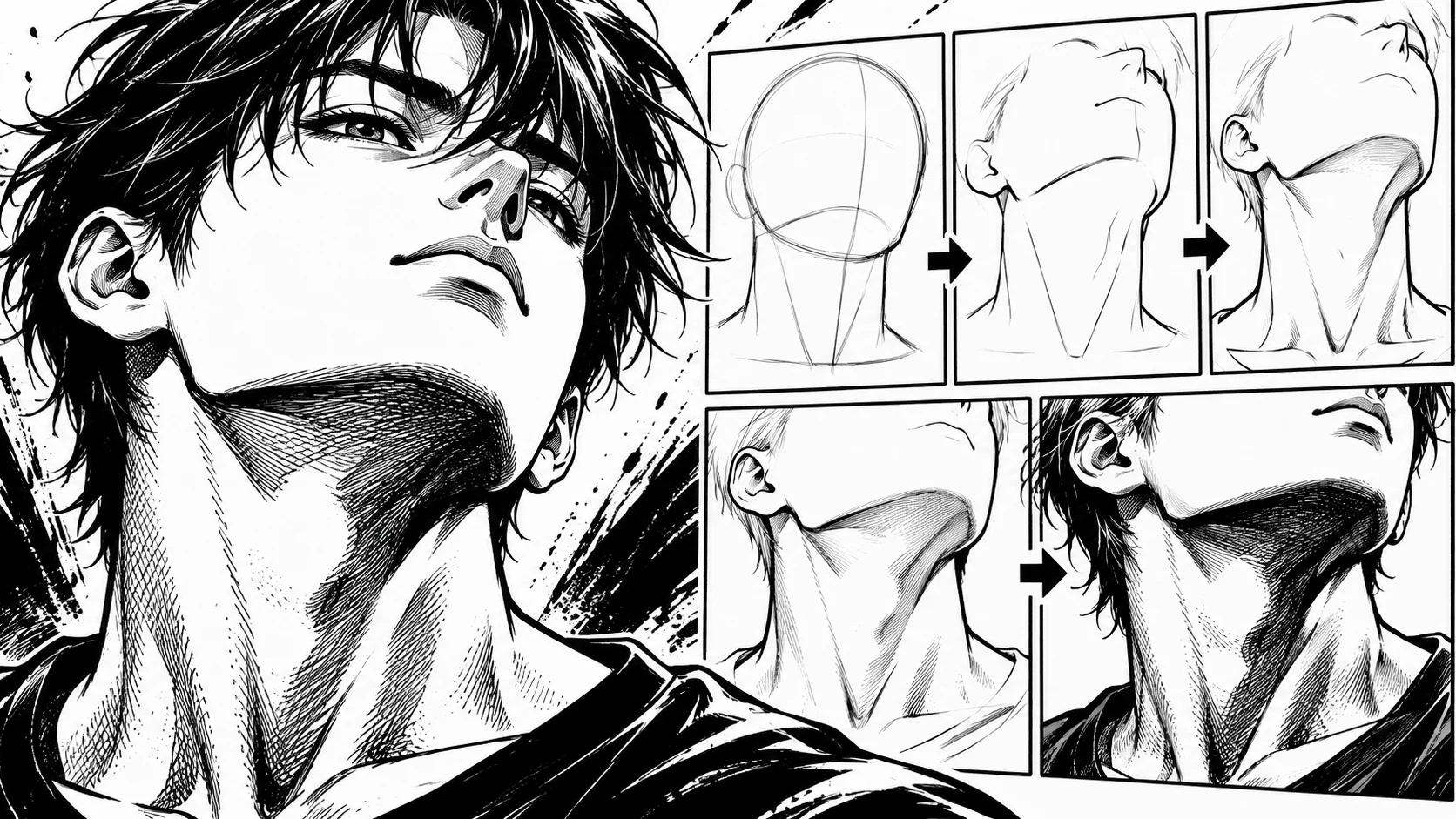
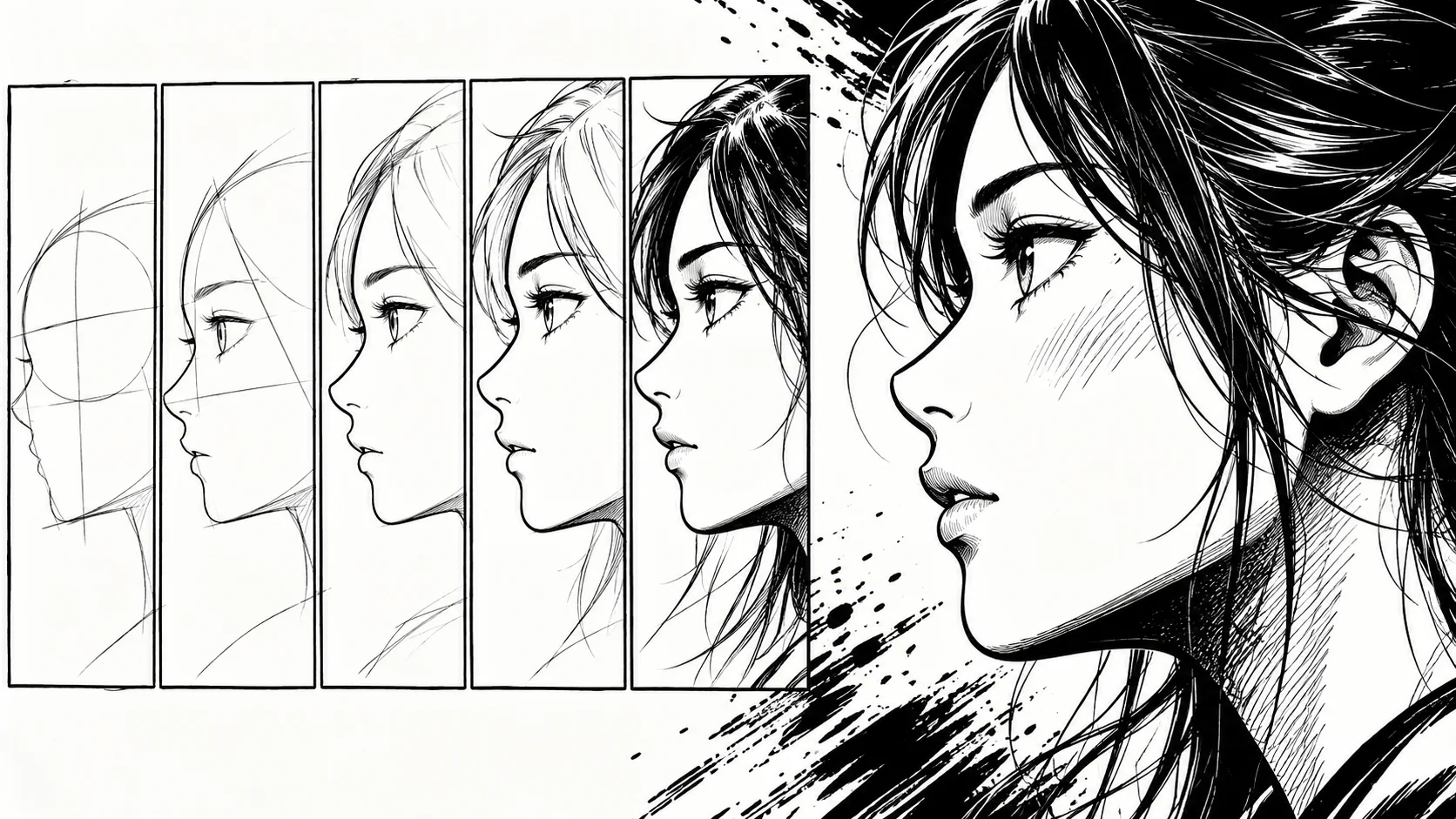
In manga creation, graphic identity is fundamental. It allows the reader to immerse themselves in the universe and easily distinguish protagonists from antagonists or secondary characters. Clear lines and consistency in graphic style strengthen the credibility of the narrative and facilitate reading.
The Dangers of Overly Similar Faces
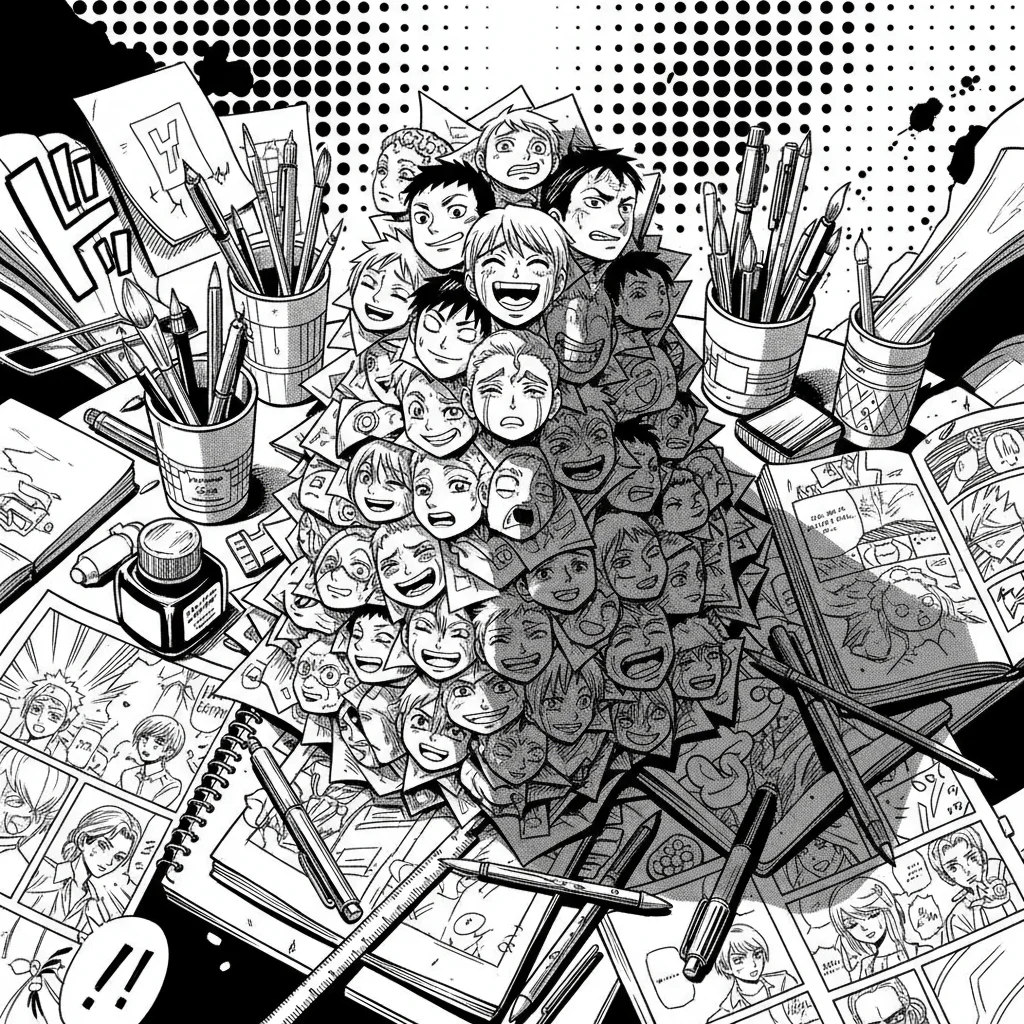
Conversely, faces that are too alike can lead to reader confusion, diluting emotional and narrative impact. If several characters look physically similar without clear distinctions, the audience may struggle to connect with them individually or follow their respective story arcs.
When Resemblance Serves the Story
However, a certain degree of resemblance can be a powerful narrative tool. It can suggest family ties, shared archetypes, or even a common destiny. The trick lies in the judicious use of these similarities to reinforce the story's message, rather than creating an uniformity that harms clarity.
Define Your Universe
Explore how a common morphological base can strengthen the cohesion of your manga series. Discover the steps.
Discover the Steps4 Steps to Memorable and Consistent Characters
Step 1 — Define Personality Before Trait
Understanding the deep character of each person is the first step. A well-defined character will naturally guide the graphic style and expressions, ensuring consistency between the character's appearance and soul.
Step 2 — Create a Common Morphological Base
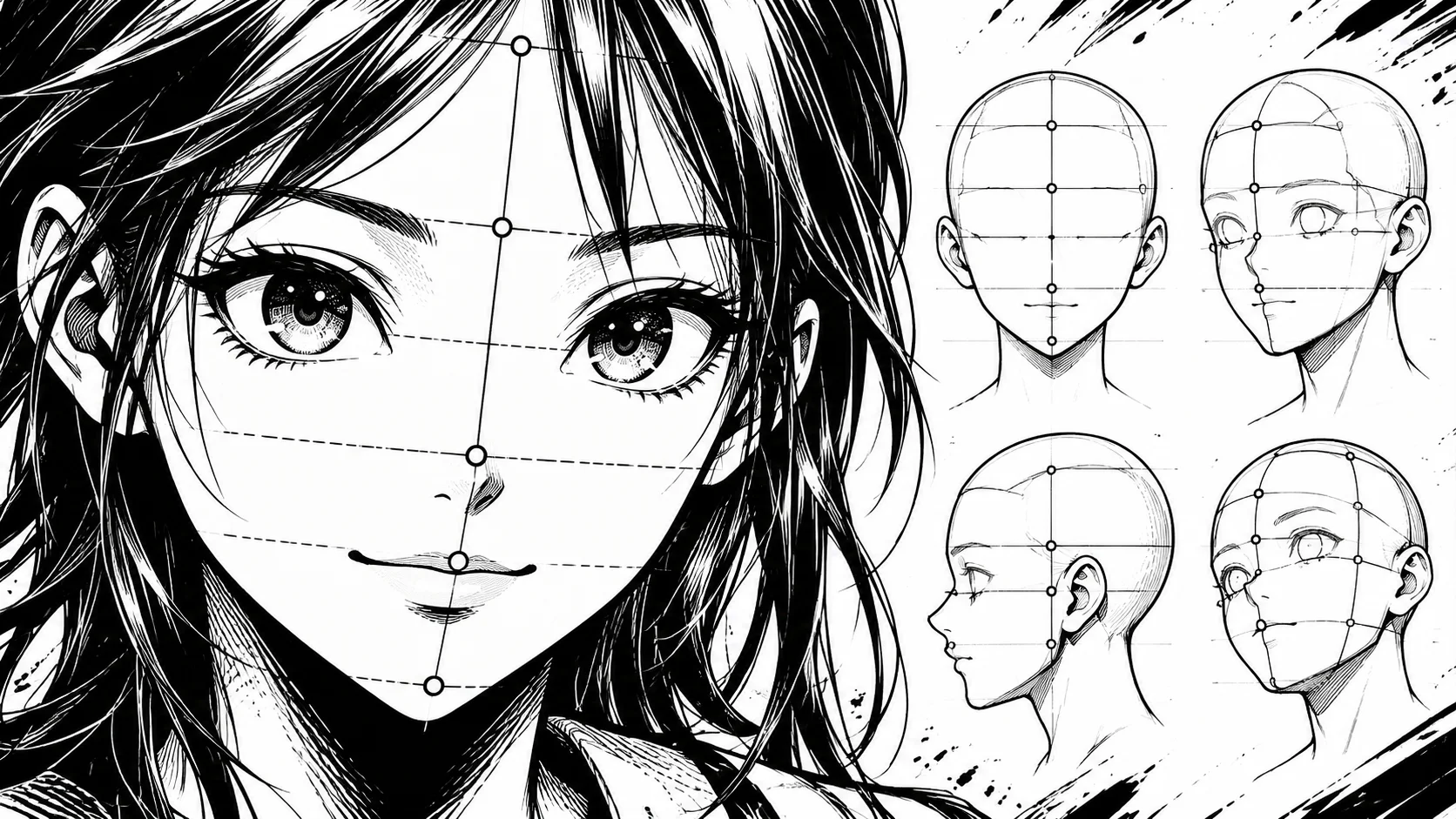
Establishing fundamental traits shared by several characters can create family ties, archetypes, or distinct groups within your narrative. This common base helps build a coherent visual universe.
Step 3 — Play on Distinctive Details
Once the base is set, introduce unique elements: a scar, a particular hairstyle, a specific eye shape, a signature expression. These details are often enough to differentiate characters with similar basic traits.
Step 4 — Test Expressions and Emotions
Check how your characters react in different situations. Facial expressions, even on similar basic faces, reveal their personality and experiences, adding depth and distinction.
Refine Your Creations
Learn to use distinctive details and expressions to make your characters unforgettable. Master diversity.
Master DiversityThe Keys to Mastered Diversity
Your character design is a subtle art that requires attention to detail to create a credible and engaging universe. Here are the essential elements to master for successful diversity:
- The recognizable silhouette: Beyond the face, a character's posture, build, and way of moving greatly contribute to their identity. A distinctive silhouette allows a character to be recognized even from afar or from behind.
- Clothing style and accessories: The clothes, jewelry, and objects a character wears or uses are extensions of their personality and social status. They can vary greatly even between characters with similar facial features.
- Gestures and body language: The way a character moves, gestures, stands, and expresses emotions through their body is as important as their facial features. Unique gestures can differentiate characters with similar faces.
- Recurring facial expressions: Each character can have a base expression or a typical way of reacting that is unique to them. For example, one character might tend to frown, another to smile easily, even if their basic features are similar.
- Emotional consistency: Ensure that facial expressions match the emotion the character is supposed to feel. A joyful character should not have a blank or sad face, even if they share some features with another character.
- The impact of hairstyles and head accessories: A haircut, a hat, a headband can radically change a character's appearance and help distinguish them from their peers.
- Psychological depth: A well-developed character, with a clear backstory and motivations, will be more memorable and credible, regardless of the absolute uniqueness of their facial features. Psychological depth transcends mere appearance.
Structure Your Project
Ready to take it to the next level? Discover the tools that can help you bring your vision to life. Explore solutions.
Explore SolutionsConclusion
The idea that every manga character must possess a radically distinct face is a myth. True strength lies in creating visual and narrative consistency that serves your story. By mastering details, gestures, and giving psychological depth to your creations, you can build a rich and credible universe, even with characters who share basic features. If you're looking to optimize your creative process and bring your ideas to life more effectively, specialized tools can help you structure and visualize your projects for creating your manga. Don't hesitate to explore how technology can support your artistic vision to transform your desires into memorable pages.